
About Septic Tank Cleaning
About Septic Tanks
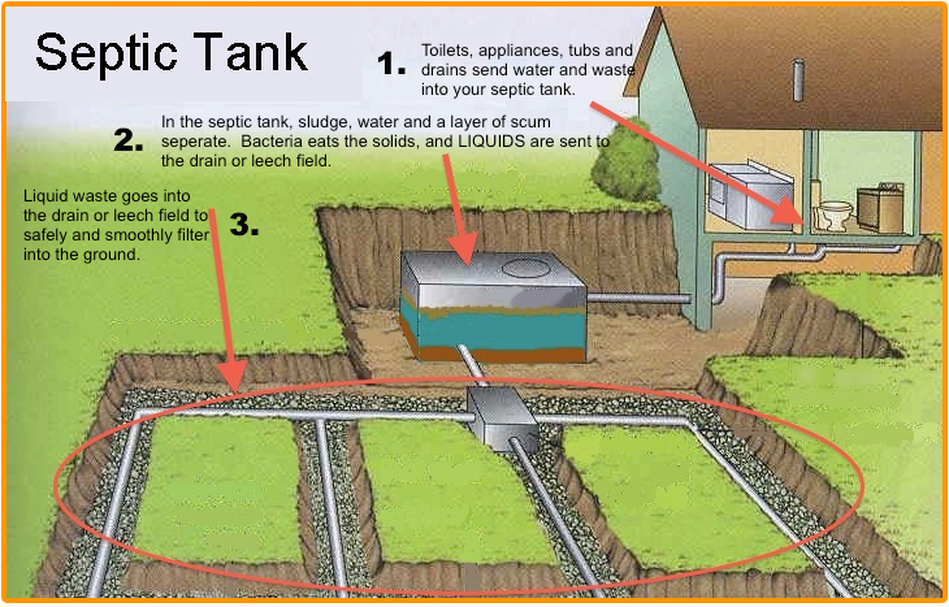
A septic tank is a key component of the septic system, a small scale sewage treatment system common in areas with no connection to main sewage pipes provided by local governments or private corporations. In New Zealand approximately 20% of the population relies on septic tanks; this can include suburbs and small towns as well as rural areas.
The term “septic” refers to the anaerobic bacterial environment that develops in the tank and which decomposes or mineralises the waste discharged into the tank. With the increase of disinfectant cleaners using strong antibacterial properties as a convenient & quick method of sanitising home surfaces, all of which end up in the septic tank, the required anaerobic bacterial environment is compromised & the decomposition is reduced.
Wastewater, from the kitchen, laundry and bathroom, discharges into a septic tank buried on the property. The heavier solids settle to the bottom of the tank, while fats float to the top. The remaining liquid flows out of the tank and discharges into a soakage area.
Modern septic systems may have pumps, pressurised disposal with multiple chambers and filters. Speak to the manufacturer of your system to get an understanding of how your particular system works. The information given here applies mostly to older style systems.
Septic Tank Maintenance is Crucial:
A poorly-maintained septic tank will become a serious health hazard, spreading disease and contaminating water sources. Septic tanks need regular maintenance, some of which you can do yourself and some of which you’ll need professional help with.
Periodic preventive maintenance is required to remove the irreducible solids which settle and gradually fill the tank, reducing its efficiency. In most jurisdictions this maintenance is required by law, yet often not enforced. Those who ignore the requirement will eventually be faced with extremely costly repairs when solids escape the tank and destroy the soakage line (clarified liquid effluent) disposal means. A properly maintained system, on the other hand, can last for decades and possibly a lifetime.
Call Now - 0800 424 464
Proven Track Record
Underground Takeaways has been to many properties in the Waikato to service septic tanks. We would love to add you to our happy list of customers!